Wed Aug 05 2026
Magnesium, Ashwagandha, and Anxiety Supplements: What a Psychiatrist Thinks
The honest tier list: what has modest evidence, what interferes with real treatment, and when the supplement drawer becomes the symptom.
Published by Lyte Psychiatry · Meet our care team
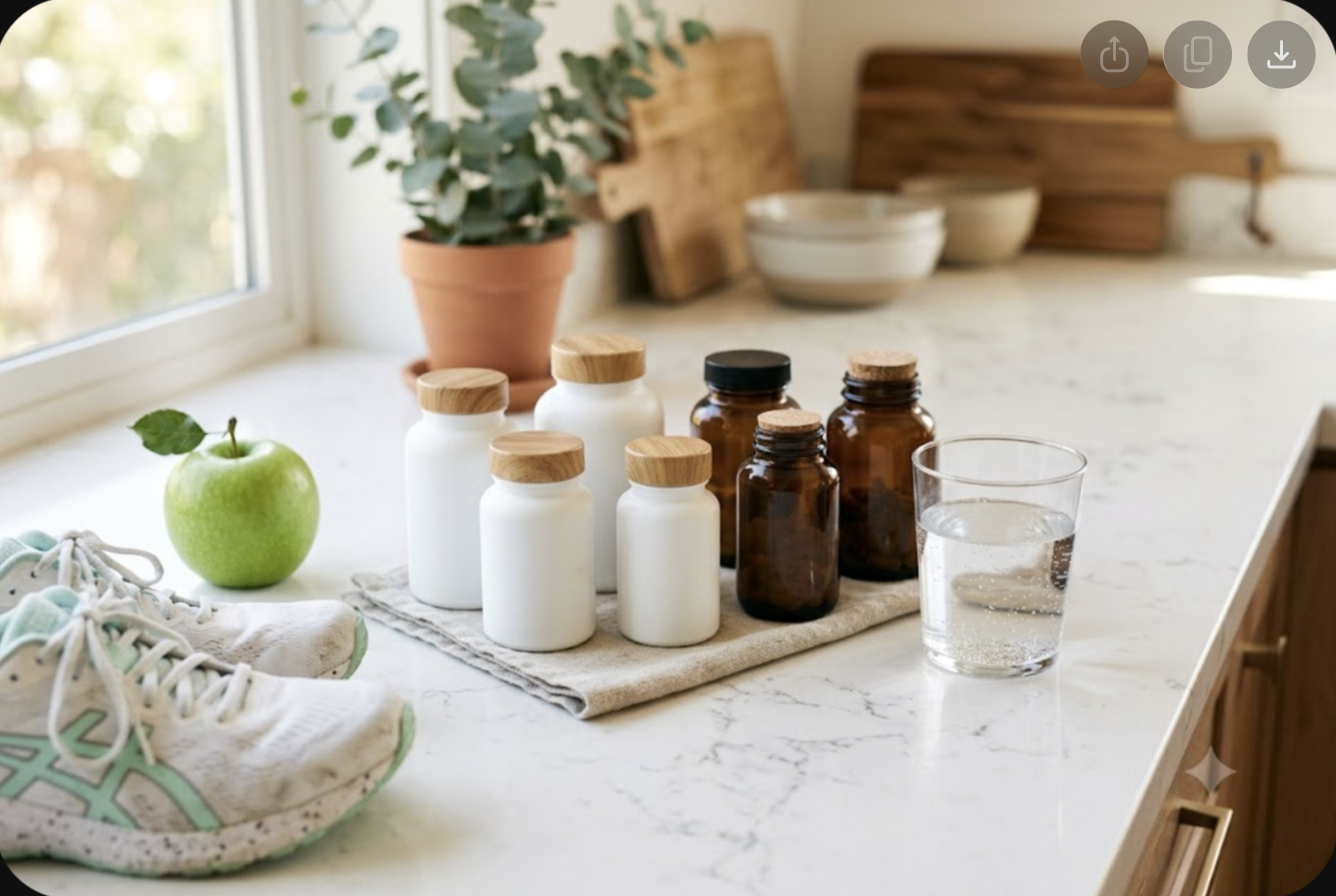
The supplement aisle has an answer for anxiety in every bottle: magnesium, ashwagandha, L-theanine, lavender gels, mushroom blends. TikTok has a protocol for each. Patients ask us about them weekly, usually a little sheepishly, and they deserve a straight answer rather than an eye roll.
So here it is, the psychiatrist's honest read on the anxiety shelf: some of it has modest real evidence, none of it treats an anxiety disorder by itself, and two items on the shelf can actively interfere with real treatment.
What has some evidence
Magnesium: plausible mechanism, cheap, safe at sensible doses, with small studies suggesting modest benefit, strongest if you're deficient. Reasonable to try; glycinate is the usual pick. Ashwagandha: several small trials show reductions in stress measures and cortisol; quality varies wildly by brand, and it can affect thyroid labs, tell your doctor you take it. L-theanine: gentle take-the-edge-off effect with good safety; think "slightly calmer coffee," not treatment. Omega-3s: better data in depression than anxiety, but harmless and heart-healthy. All of this sits in the "supportive, small effect" tier, per the balanced read at NIH's complementary health center.
What to be careful with
Kava has real anxiolytic data and a real liver-toxicity signal; we don't recommend unsupervised use. St. John's Wort is the big one: it induces liver enzymes that can weaken birth control, blood thinners, and other medications, and combined with SSRIs it risks serotonin syndrome. If you take it, your prescriber needs to know before any antidepressant starts. "Natural" and "inert" are different words.
The honest math
Supplement effect sizes, where they exist, are small. Evidence-based treatments for anxiety disorders, CBT and SSRIs/SNRIs, have large, replicated effects. The failure mode we see is not people taking magnesium; it's people spending eighteen months and eight hundred dollars cycling bottles while an anxiety disorder compounds untreated. Take the 2-minute GAD-7: under 10, lifestyle and supportive measures are a fine experiment; 10 or over, get an evaluation and let the supplements be garnish, not dinner.
How we handle this at Lyte
Bring the bottles, literally or as a list, to your evaluation. We'll tell you what can stay, what interacts, and what's redundant once real treatment starts. Plenty of our patients run magnesium alongside an SSRI and therapy with our blessing. The plan just has to be one plan, and exercise and fixed sleep outperform most of the aisle anyway.
The practical details: most new patients are seen within 1 to 2 business days, in person in the DFW area or by video anywhere in Texas and New Mexico. We're in network with BlueCross BlueShield, UnitedHealthcare, Cigna, Aetna, Humana, and Tricare, and most insured patients pay a $0 to $30 copay.
If the supplement drawer keeps growing and the anxiety doesn't shrink, that's your data. Book online or call (469) 733-0848.
Frequently asked questions
Does magnesium actually help anxiety?
Modestly, for some people, especially if deficient. It's safe and cheap to try, and it is not a treatment for an anxiety disorder on its own.
Is ashwagandha safe to take every day?
Generally, short to medium term, with brand quality caveats. It can affect thyroid measures and should be disclosed to your prescriber.
Can I take supplements with an SSRI?
Most are compatible; St. John's Wort is the major exception and kava needs supervision. Bring the full list to your medication visit.
What works better than supplements for anxiety?
CBT and, when warranted, SSRIs/SNRIs, both with much larger evidence bases. Exercise and consistent sleep are the strongest non-pill levers.
When is anxiety bad enough to see someone?
When it interferes with sleep, work, or relationships, or a GAD-7 hits 10+. Most new Lyte patients are seen within 1 to 2 business days.
If you're having thoughts of harming yourself, call or text 988 (Suicide & Crisis Lifeline), available 24/7.
Further Reading
NIMH — Anxiety Disorders
Diagnostic criteria and treatment options
ADAA — Anxiety Statistics
40M Americans affected — prevalence and impact data
APA — Anxiety Overview
Clinical summary from the American Psychological Association
These topic resources supplement the references linked within the article.
Related Care and Resources
Lyte Psychiatry — Texas
Anxiety Treatment — Texas
Evidence-based care for generalized anxiety, social anxiety, panic disorder, and phobias.
Find Care Near You
Lyte Psychiatry serves patients across Texas — in-person in DFW and via telehealth statewide.
Don't see your city? View all Texas locations →
Questions about cost? View insurance and payment information